Introduction to ChatGPT: The AI Chatbot Revolution
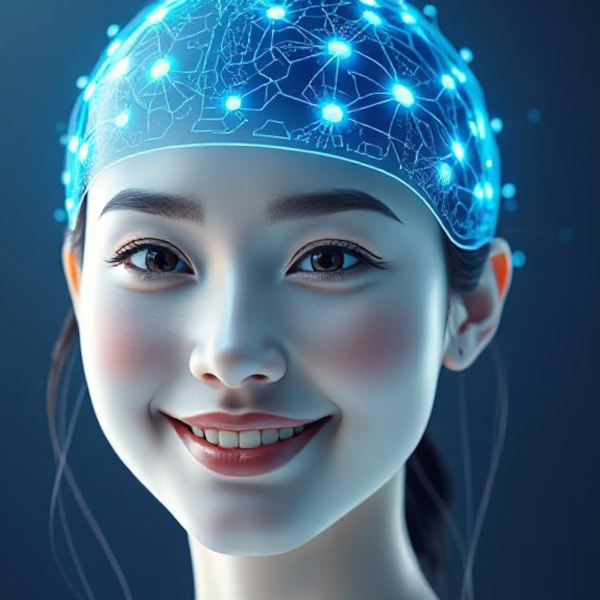
ChatGPT, developed by OpenAI, has quickly become the most popular AI chatbot in the world. Launched in November 2022, it made waves with its ability to generate human-like text and engage in meaningful conversations. Within just five days of its release, ChatGPT amassed over 1 million users, a testament to its groundbreaking popularity and the public’s fascination with AI technology.
Its success has not only set a new standard for AI chatbots but also sparked a global conversation about the potential of artificial intelligence in everyday life. From assisting with tasks to providing creative inspiration, ChatGPT has become a symbol of how AI is reshaping the way we interact with technology.
Use Cases
ChatGPT offers a wide range of use cases that make it an invaluable tool for individuals and businesses alike. It can be used for research, providing detailed, organized responses in specific formats to help users dive deep into a topic. In the realm of writing, ChatGPT excels as an aid for generating content, whether it’s crafting articles, drafting emails, or brainstorming creative ideas. It has also ventured into image generation, empowering users to create visuals based on descriptive prompts, which is particularly useful for marketing and design projects. Additionally, ChatGPT supports code generation, language translation, and personalized learning, making it a versatile resource for education, creativity, and professional tasks. As its capabilities continue to evolve, so do its possibilities for enhancing workflows and driving innovation. Let me know if you’d like further refinements or expansions!
Open AI Platform
ChatGPT relies on large language models (LLMs) to generate responses to prompts, using advanced algorithms trained on vast amounts of text data. These models, such as GPT-4 and its predecessors, are designed to understand context, predict relevant words, and produce coherent, human-like text. OpenAI provides programmatic access to these models through its platform, enabling developers to integrate ChatGPT’s capabilities into their applications. This opens up exciting possibilities for creating AI-powered apps, such as customer service tools, content generators, and personalized learning platforms, all leveraging the intelligence of ChatGPT’s models to deliver innovative solutions. Let me know if you’d like further refinements!
Models
ChatGPT primarily uses large language models like GPT-3.5 and GPT-4, which are designed for understanding and generating human-like text. For image generation, OpenAI employs models like DALL·E, which can create visuals based on descriptive prompts. Other notable models include Codex, which specializes in code generation, and Whisper, which is used for speech recognition and transcription. These models showcase the versatility of AI in handling text, images, and even audio. Let me know if you’d like to explore any of these further!
Where Its Used
OpenAI’s ChatGPT technology has been integrated into a variety of applications across different industries, enhancing functionalities and user experiences. Here are some notable examples:
Entertainment & Media
- Netflix:Currently testing an OpenAI-powered search feature on iOS in Australia and New Zealand, allowing users to find content using more specific and personalized queries, such as their mood.
Business & Productivity
- BBVA The Spanish bank has deployed over 3,300 ChatGPT Enterprise licenses, with 80% of employees reporting time savings of more than two hours weekly. The AI tool assists in departments like legal, risk, marketing, talent, and finance.
- Moderna The biotech company has partnered with OpenAI to enhance its drug development processes, utilizing ChatGPT to automate various business departments, including legal, research and development, and manufacturing.
Creative & Social Media
- *LinkedIn: A trend has emerged where users create AI-generated depictions of themselves as action figures or dolls using ChatGPT’s image generation capabilities. This showcases ChatGPT’s influence in creative AI applications among everyday uses. citeturn0news11
Custom AI Applications
- *GPT Store: OpenAI’s platform allows users to create, publish, and monetize custom GPTs tailored to various needs, such as customer service, personal assistance, and content creation. As of January 2024, over 3 million GPTs had been published.
Robotics & Automation
- Microsoft Research: Demonstrated how ChatGPT can be used to convert natural language instructions into sequences of executable robot actions, enabling robots to perform tasks based on user commands.
These examples illustrate the versatility of ChatGPT in enhancing functionalities across various sectors, from entertainment and business to creative arts and robotics.
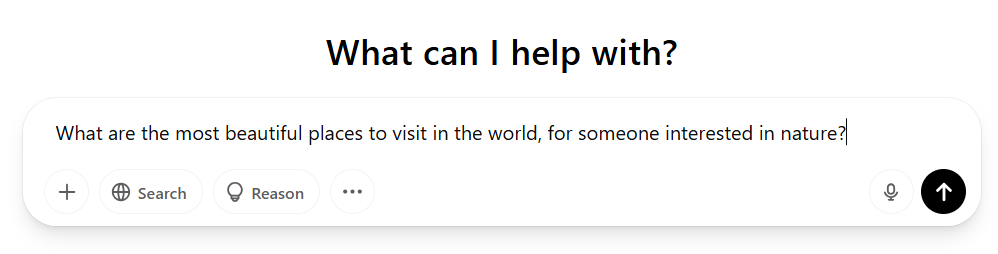
Asking Questions for Fun
In this example we asked Chat GPT about the most beautiful places on earth.

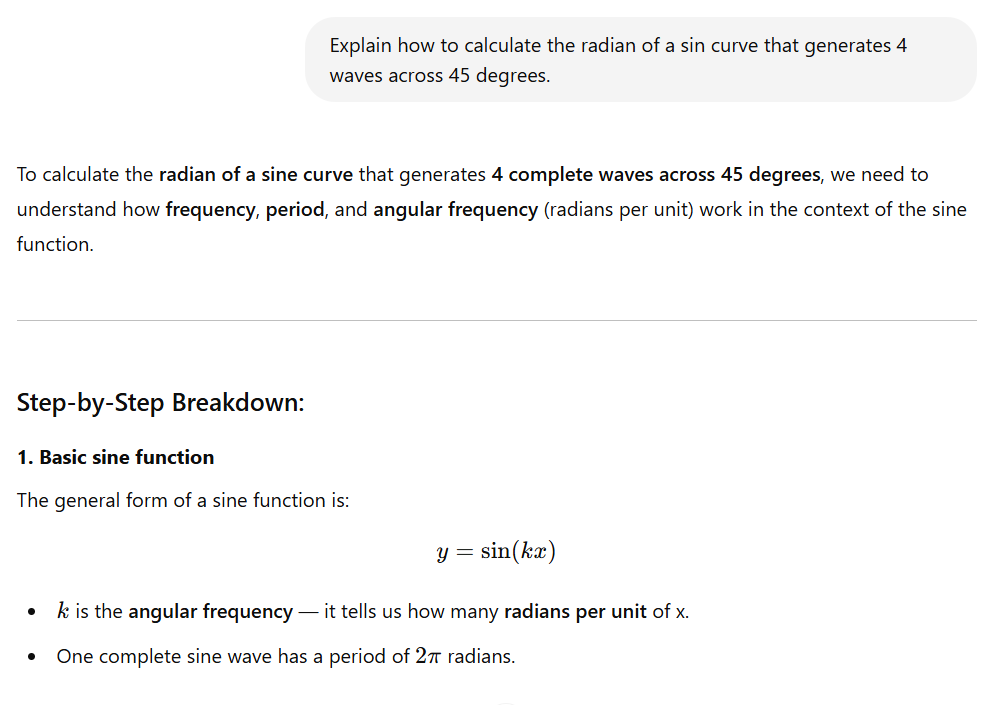
Using Chat GPT for School
In this example we use Chat GPT to answer a math question.
Conclusion
ChatGPT represents a remarkable leap forward in artificial intelligence, showcasing how advanced AI can enhance communication, creativity, and problem-solving in our daily lives. As technology continues to evolve, ChatGPT’s potential to transform industries, automate workflows, and make complex tasks more accessible is just the beginning.
The future of AI holds exciting possibilities, with innovations poised to reshape how we work, learn, and interact with technology. As platforms like OpenAI expand access to cutting-edge models, the tools we use today will continue to grow smarter, faster, and more impactful. ChatGPT is not just a milestone in AI—it’s a gateway to a future filled with boundless opportunities. Stay curious, and keep exploring where AI can take us!